Hybrid events were once a pandemic stopgap. In 2026 they are simply how many IT conferences work. Some attendees want the energy of a packed hall, hallway conversations and hands-on demos; others cannot justify the travel budget or time away from their teams. The challenge for organisers is no longer whether to stream, but how to make both audiences feel like first-class participants.
This guide covers the formats, technology and engagement tactics that separate a truly hybrid conference from an in-person event with a webcam pointed at the stage.
Design for Two Audiences from Day One
The most common mistake is planning a physical event and adding streaming at the end. Successful organisers treat the virtual audience as a separate track with its own needs. That means a dedicated online host, sessions timed for screen attention spans and content that only remote viewers get, such as behind-the-scenes interviews or live Q&A with speakers right after their talk.
Choose the Right Format for Each Session
| Session type | In-person experience | Online experience |
| Keynote | Big stage, live audience reactions | Multi-camera stream with live chat and polls |
| Technical talk | Slides and code on large screens | Screen share in high resolution, downloadable repo |
| Workshop | Small groups with mentors | Breakout rooms with a dedicated remote facilitator |
| Panel | Questions from the floor | Upvoted questions from a Q&A tool shown on stage |
| Networking | Coffee breaks, after-party | Speed-networking, topic tables in virtual lounges |
Build a Reliable Tech Stack
Nothing loses a remote audience faster than poor audio. Budget for professional sound first, video second. A typical hybrid stack in 2026 includes:
- An event platform with streaming, chat, polls and breakout rooms in one place.
- Dedicated microphones for audience questions so remote viewers hear them clearly.
- A backup internet connection and an encoder that can switch automatically.
- AI-powered live captions and translation to widen the audience.
- A mobile app shared by both audiences, so agenda, chat and polls look the same everywhere.
Engagement Tactics That Work for Both Sides
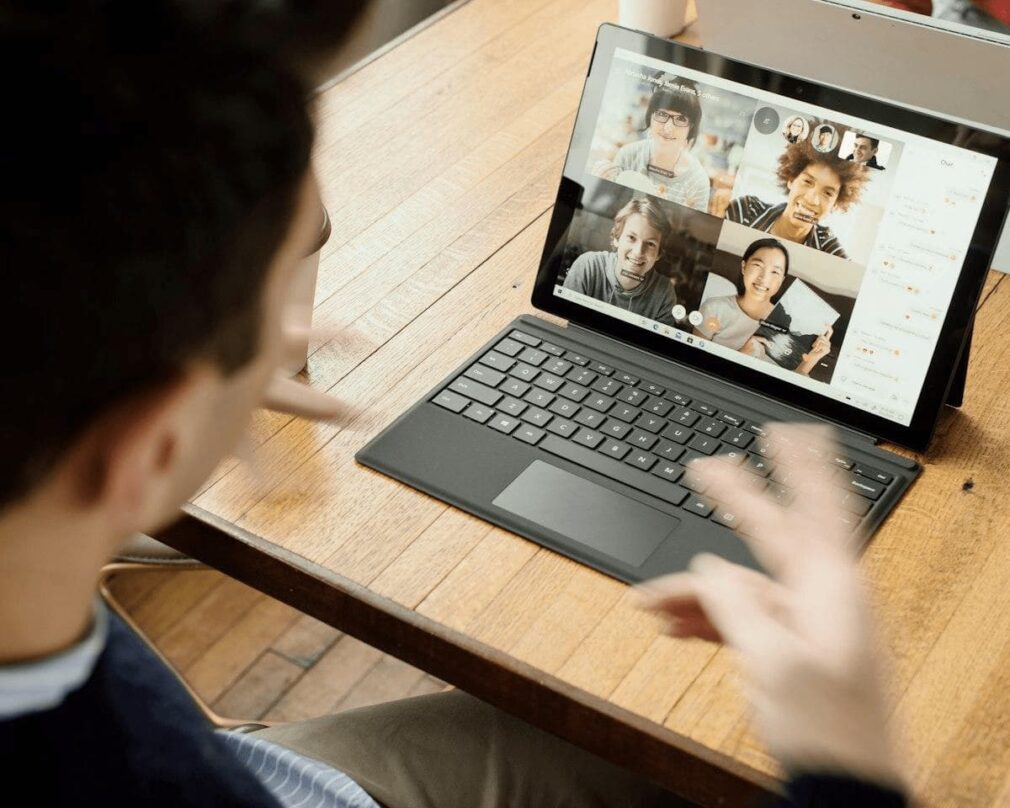
Shared interaction. Run polls and quizzes that combine responses from the hall and the stream, and show the results on stage. Remote attendees quickly notice whether their votes count.
Mixed panels. Invite at least one speaker to join remotely, with a large screen on stage. It signals that remote participation is normal.
Gamification. Points for attending sessions, asking questions, visiting virtual booths and completing challenges keep people active across days. Leaderboards work especially well with developer audiences.
Learn from Platforms That Live Online
Event teams can borrow ideas from industries that have engaged purely digital audiences for years. Streaming services, esports leagues and online entertainment platforms are experts in first impressions: a smooth sign-up, an immediate reward and clear next steps. Offers like a bets io casino no deposit bonus are a good example of the principle of giving new users something valuable before they commit anything. For a conference, the equivalent might be free access to a recorded masterclass, an exclusive e-book or early access to slides for anyone who registers for the online pass.
Sponsors Need a Hybrid Offer Too
Sponsors are increasingly asking for proof of value from the virtual side. Offer virtual booths with live video, sponsored sessions that are streamed and recorded, and lead reports that include online interactions. Clear data on clicks, meetings booked and content downloads makes renewals much easier.
Measure What Matters
- Average watch time per session, not just total registrations.
- Interaction rate: the share of attendees who chatted, voted or asked a question.
- Networking connections made between online and offline participants.
- On-demand views in the weeks after the event.
- Net Promoter Score measured separately for each audience.
Conclusion
A great hybrid IT conference does not split its attention; it doubles its reach. When organisers design for remote viewers from the start, invest in sound and connectivity, and create shared moments that link the hall with the screen, both audiences leave feeling they were part of the same event. In 2026 that is the standard attendees expect.